Monday, April 14, 2014

The Importance of Protective Eyewear for Sports Safety


When I was growing up there was not much of an emphasis on protecting the eyes during sporting competitions.  At that time many did not have the knowledge of how simple protective sports eyewear could help prevent eye injury and in many cases save vision and prevent blindness in the unfortunate event of a serious sports related eye injury.
Today, many more individuals and parents are diligent to make sure they and their children are properly protecting their vision during sporting activities, and furthermore there are many choices in today's protective eyewear market that allow athletes to play safely and look good at the same time.
Here are some important Tips from Prevent Blindness America on the importance of Sports Safety.

Eye Safety News

Tips for Keeping Your Kids' Eyes Safe During Spring/Summer Sports

Each year in the United States, 25,000 kids under 15 have sports-related eye injuries, most of which are preventable (source: Prevent Blindness America).

• Children in sports need protective eyewear, just as they need helmets and protective padding. Balls, bats and jabs from other participants can cause both temporary injuries and long-term vision problems — even cataracts and blindness. Choose protective eyewear with wraparound frames, to protect the eyes from all sides.

• Regular eyeglasses and sunglasses don't protect the eyes, because they are not strong enough to withstand flying objects and hard blows; your kids need protective eyewear as well. You can get it with or without a prescription, but be sure the lenses are both impact-and scratch-resistant.

• Sun exposure damages the eyes, so kids need protection from both UVA and UVB rays with either good-quality sunglasses or protective eyewear. If the labels don't specify UVA and UVB protection levels, you can find out how protective the products are by having your eye doctor check their UV blockage with a spectrophotometer.

These tips can help you and your family remain as safe as possible when engaging in sports this spring and summer.

Wednesday, March 19, 2014

Spring is here and Eye Allergies are in Full Swing!


Have itchy, red eyes been an all too common occurrence for you since the beginning of spring this year? You may be suffering from eye allergies. While it is estimated that 50 million Americans suffer from all types of allergies, approximately 4 percent of allergy sufferers report that eye allergies are their primary allergy.  Itchy eyes are the most common symptom associated with eye allergies and is triggered by outdoor and indoor allergens.  For some, eye allergies can prove so uncomfortable and irritating that they interfere with job performance, impede leisure or sports activities, and even curtail vacations.

But what are eye allergies and how do you know if you are suffering from this condition? Eye allergies can encompass many symptoms such as itching, burning and dryness that are caused by allergens in our environment and is commonly referred to as “allergic conjunctivitis” by your eye care professional. This is a reaction to indoor and outdoor allergens (such as pollen, mold, dust mites or pet dander) that get into your eyes and cause inflammation of the conjunctiva, the tissue that lines the inside of the eyelid and helps keep your eyelid and eyeball moist. Eye allergies are not contagious. Other substances called “irritants” (such as dirt, smoke and chlorine) and even viruses and bacteria, can compound the effect of eye allergies, or even cause irritation symptoms similar to eye allergies for people who may not even have allergies.

The eyes are an easy target for allergens and irritants because, like the skin, they are exposed and sensitive to the outside environment.  Certain medications and cosmetics can also cause eye allergy symptoms. By way of response to these allergens and irritants, the body releases chemicals called histamines, which in turn produce inflammation.           

In very mild cases, oral allergy medication may help relieve itchy eyes along with cold compresses to the eyes a few times each day.  However, your eye care professional is best able to treat this condition with specific anti-allergy drops that can keep those red, itchy eyes away and have you back outdoors enjoying the beauty of spring.   

Wednesday, February 19, 2014

UV Eye Alert! Protect Your Eyes with Polarized Sunglasses!


Just as the sun’s rays can damage your skin with sunburn, premature aging and skin cancer; these rays can also potentially have bad consequences for your eyes.  Growing evidence shows that long-term exposure to UV rays can lead to macular degeneration and cataracts, serious eye conditions that can cause vision impairment or loss.

            As you begin preparing for your vacation destination be sure to take these basic precautions when in the sun this spring in order to protect your eyes from damage associated with UV exposure.  When possible, limit your time in the sun and take breaks often throughout the day.  Also make sure to wear a wide-brimmed hat, and polarized sunglasses that filter 99% of UV rays.

            Polarized sunglass lens technology is often a great choice for your day at the beach as they effectively filter out horizontally polarized light reflected from the surface of the water that is often the cause of harmful glare.  Due to this fact, Polarized lenses have long been the standard in sunglasses for fishermen but now all those that love the outdoors are enjoying their tremendous benefits as well. 

            Remembering to protect your children’s eyes is also important as studies now show that children may receive up to 80% of their exposure to damaging UV rays by age 18.  To keep them safe, follow the same precautions as you would for an adult, while making sure to choose sunglasses that properly fit their smaller faces, have impact resistant lenses with quality frames, and have lenses large enough to shield their entire eye. 

            Stop in to see your eye doctor before you head out on your trip to the beach.  We are the experts that can help you have your day in the sun while safely protecting the eyes as well.  We can recommend the best in quality polarized sunglasses in both prescription and non-prescription that meet the highest standards for sun and safety protection our industry has to offer.     

Friday, January 31, 2014

The Risk of Readers

We have all seen them, dangling from a display in your local supermarket, the Over the Counter Reading Glasses or for short Readers.  They present as a small selection of inexpensive frames with seemingly many different lens powers to choose from.  “Oh, well that one doesn’t look too bad I guess?  I think I will try that one on, but what do the different numbers mean?  Wow, this one makes objects look really large and closer to me, I wonder if it is even my correct prescription?” 

I know that many of us have had this experience and wondered if these readers might give us better vision when reading or actually do the opposite and actually hurt our eyes over time.  Well, the answer is often yes and yes.  While a pair of over the counter readers may improve the reading ability of some, there are definitely many better options to meet the needs of your vision and help you function through all of your individual daily activities. 

Over the counter readers are usually made of a cheap plastic lens material that may not have the best optical quality for viewing your near work and also represent a one size fits all option with optical centers in the lenses that are not unique to you allowing for more distortion and eyestrain than is found with custom measurements.  A custom pair of near work eyeglasses are almost always a better option because of the availability of better lens material, custom measurements which allow you to view near objects directly through a custom optical center of the lens for less distortion, and an anti-reflective coating can also be added to your custom reading eyeglasses to cut down on glare and unwanted reflections when using your computer screen. 

A progressive lens or no line multifocal lens can also be a great option and holds one big advantage over near work glasses.  That is the fact that a progressive lens helps you see at many different distances or focal points, while readers will always be blurry in the distance – causing one to constantly take them on and off, wear them on top of their head, or even use the dreaded granny chain to hold them around their neck.  Some will even try to drive with readers and find their distance vision distorted but a dashboard that comes in and out of focus.  However, the biggest risk of readers is truly the patient that is self-diagnosing and avoiding the eye doctor.  This habit could not only result in selecting an improper near visual aid, but also effectively mask an underlying problem which an eye doctor could detect.  The moral of the story is that you only get one set of eyes and it is important that you see your best.  So please don’t trust your vision to just an over the counter – one size fits all product, find an eye care professional you trust to help you maintain healthy vision year in and year out.         

Thursday, January 2, 2014

January is National Glaucoma Awareness Month


It's a new year and what better resolution than leading a healthier lifestyle in 2014. One item on everyone's list this year seems to be heading back to the gym - to improve their fitness level, or just eating healthier overall for a better quality of life, but many don’t think about their eye health when making their new year’s resolutions

January has been named National Glaucoma Awareness month by Prevent Blindness America to help promote the importance of regular annual eye exams.  Today close to three million people actually have Glaucoma, but some of them do not even realize it because there are often no warning symptoms.  Glaucoma is the second leading cause of blindness in the United States of America and the first major leading cause of preventable blindness. Approximately 120,000 Americans are mostly blind because they suffer from Glaucoma, accounting for 9% to 12% of all cases of blindness in the United States of America. The condition is also 6 to 8 times more common to be found in African-Americans than in Caucasians. 

Glaucoma is an eye disease which damages the optic nerve (the pathway for vision between the brain and eye) in the back of the eye most often when eye pressure is elevated in an individual’s eye for an extended period of time.  This process can often decrease peripheral vision without symptoms, thus earning it the moniker of “the silent thief of sight”.  As such, annual eye exams are the number one deterrent from individuals suffering vision loss caused by Glaucoma and other preventable eye diseases. This is because even in a routine eye examination, your eye doctor can detect signs and/or risk factors of Glaucoma. 

Many patients are familiar with the dreaded “air-puff test” which is one method of measuring eye pressure, but there are also other methods – such as the Icare Tonometer which measures intraocular pressure (IOP) with no drops or puff of air required for a more comfortable and accurate assessment.  If Glaucoma is detected early enough, there are many steps that can be taken in order to maintain the amount of healthy vision one currently has through topical (eye drops), laser, or even surgical treatments.
Though it may be down your resolution list a bit, making it a point to see your eye doctor for regularly scheduled eye exams is a must in order to keep seeing your best in 2014. It does not matter whether you wear corrective lenses or not, or even if you think your eyes are in perfect condition. Getting a regular eye exam is a necessary part of your overall healthcare regimen, and vital to make sure you are able to continue maintaining healthy vision. So make sure you make an annual eye exam a part of your healthier lifestyle in 2013 and keep seeing your best all year round.

Saturday, December 14, 2013

Are your eyes constantly tearing? You may actually be suffering from Dry Eyes!

You may have noticed the sensation that your eyes feel drier this time of year. As the heaters are running and the humidity drops, dryness can often creep in. This dryness can be particularly bothersome if you are a person suffering from Dry Eye Syndrome or what is also known as Ocular Surface Disease.

A person suffering from Dry Eye Syndrome may often feel like they have burning, stinging eyes, redness, and a foreign body sensation.  However; the most common symptom is often a reflex tearing effect caused by dry, irritated eyes.  This tearing is too watery and can often run down one’s face instead of properly hydrating the eye, thus not helping to relieve dry eye symptoms. 


There are certain systemic diseases that can exacerbate this condition. Some of the most common systemic diseases that put you more at risk for dry eye include Diabetes, Thyroid disease, and Rheumatoid Arthritis. In addition, lifestyle factors such as increased caffeine consumption, increased computer use, and certain medications can lead to dry eye if not properly managed.

Your eye doctor plays a vital role in the fight against dry eye by diagnosing and treating this condition in a number of ways. The first line of treatment is often properly managing any contributing systemic diseases such as Diabetes with your Primary Care Provider.
 
Once this is under control your eye doctor will initiate a treatment protocol that may include over the counter eye drops and vitamin supplements, prescription eye drops and lifestyle changes. 

Discussing your specific symptoms with your eye doctor can help determine the best treatment options. Some options your eye doctor may choose to treat your dry eye include:

1.                           Over the counter artificial tear eye drops; which can help alleviate minor dry eye symptoms

2.                           Omega 3 vitamin supplements have also been shown to improve tear film and alleviate many symptoms.

3.                           Punctal plugs; which keep your tears from draining as quickly and thus keep the tear film on your eyes for a longer period of time.

4.                           Anti-inflammatory medication eye drops such as Restasis can help a patient produce more tears over time.

To find out if you suffer from dry eye syndrome please contact our office at 770-479-0222 or www.EdwardsEyeCare.com to schedule your comprehensive eye examination. 

Monday, November 4, 2013

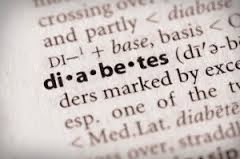
Focus on Eye Care During November or Diabetes Awareness Month


Diabetes is becoming more and more prevalent in our country. Today, over 21 million Americans have Diabetes and it is estimated that one third of this population do not even know they have the condition. During the month of November, I am proud to spotlight the importance of frequent eye exams for individuals with Diabetes and those at risk for this disease.

Dilated eye exams at appropriate intervals are extremely important for individuals with Diabetes and those at risk for this disease due to the possibility of substantial vision loss with long term uncontrolled Diabetic eye disease. In these cases of advanced diabetic retinopathy, an individual may have irreversible vision loss or even total blindness as a result.  Beginning symptoms of diabetic retinopathy can present as what may seem like routine blurry vision or fluctuating vision and this is the reason yearly eye exams are so important as early as possible to prevent vision loss.

To avoid these complications to your eyes make sure to include your eye doctor in your team of healthcare professionals and to visit him/her regularly just as you would with your primary care physician and dentist. As a part of your diabetes management team, your eye doctor can often be your first line of detection for diabetes due to the findings of your annual dilated eye exam. Your eye doctor may also utilize advanced High Definition retinal photography in order to document the presence and progression of any diabetic changes to your eyes during each eye exam.
At my practice we are helping to contribute to a healthier patient population by meeting three specific objectives set by the American Optometric Association and their National Diabetes Month Campaign. These three vision objectives of the Healthy People 2010 campaign are: to increase the proportion of persons who have a dilated eye examination at appropriate intervals, reduce visual impairment due to diabetic retinopathy, and to increase vision rehabilitation.  If you are an individual with or at risk for diabetes please make sure to get a comprehensive eye examination each and every year.